
Currently Empty: $0.00
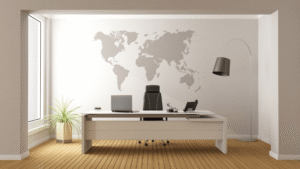
Minimalism has long been synonymous with sleek lines, open spaces, and a “less is more” approach. It’s airy, uncluttered, and visually calming. But here’s the thing—done the wrong way, minimalist interiors can sometimes feel cold, sparse, or even a little uninviting. The good news? Minimalist design and cozy comfort don’t have to be opposites. In fact, when you get the balance right, the combination can make your home feel like a serene sanctuary you actually want to spend time in.
Minimalism Doesn’t Mean Bare
The misconception about minimalism is that it’s about stripping a space down to nothing. True minimalism is about intentionality—keeping only what you love and what serves a purpose. The cozy twist comes from choosing pieces that are as tactile and inviting as they are functional.
Think of it less as “empty” and more as “essential.” That way, every piece of furniture earns its place and contributes to both the aesthetic and the atmosphere.
The Key to Adding Warmth: Materials
Minimalist furniture often features metal, glass, and lacquered finishes. To add coziness, layer in natural, textured materials:
Wood: Light oak, walnut, or ash bring warmth without breaking the clean lines.
Textiles: Linen, boucle, wool, or cotton soften the visual impact of modern silhouettes.
Natural Stone: Honed marble or travertine feels organic while keeping the look elevated.
Leather: Buttery or matte-finish leather adds depth and ages beautifully.
Even in a room with mostly monochrome tones, swapping in warm materials makes the space feel more approachable.
Shapes That Invite Comfort
Sharp edges and perfectly straight lines have their place, but soft curves and rounded corners instantly make a room feel more relaxed. A low-profile sofa with subtly curved arms or a rounded coffee table can maintain a minimalist vibe while feeling more inviting.
This is where Scandinavian and Japanese minimalism excel—they blend form and function with human comfort in mind.
Layering Without Clutter
Minimalism thrives on open space, so the goal isn’t to add more but to choose pieces that pull double duty visually:
Area Rugs: A simple wool or jute rug grounds the furniture and adds texture underfoot.
Throws & Cushions: A neutral-colored throw draped casually over a chair gives visual softness without feeling busy.
Lighting Layers: Combine a slim floor lamp with a warm-glow table lamp to create depth in the lighting scheme.
Each layer should feel intentional, not decorative for decoration’s sake.
Playing With Color (Yes, You Can)
Minimalist spaces often rely on white, black, and gray. Adding cozy warmth doesn’t mean abandoning a restrained palette—it means broadening it to include soft neutrals, warm beiges, muted taupes, or earthy greens. These tones still keep the look clean but remove the sterility that can creep into all-white spaces.
A camel leather accent chair, a warm beige wall, or pale linen curtains can shift the emotional tone of a room without overwhelming its simplicity.
Furniture That Feels Personal
The “cozy twist” isn’t just about aesthetics—it’s about connection. A minimalist dining table paired with chairs upholstered in a tactile fabric feels both curated and inviting. A simple sideboard topped with a single, well-loved ceramic vase tells more of a story than a completely bare surface.
Even one or two vintage or handcrafted pieces can add soul to a minimalist interior without disrupting its clean look.
Minimalist Bedrooms That Hug You Back
In the bedroom, the cozy twist might mean:
A simple platform bed frame in warm wood
Crisp white bedding layered with a textured throw
A single piece of art above the bed to keep visual calm
Blackout curtains in a soft, heavy fabric that doubles as a design statement
The space stays uncluttered but feels like a retreat.
Cozy Minimalism in Small Spaces
If you live in a small apartment, cozy minimalism can make your home feel bigger and warmer. Opt for furniture with visible legs to keep sightlines open. Choose pieces in soft, light tones to avoid visual heaviness. Then bring in warmth through a textured rug, a well-chosen lamp, and a piece of art that makes you feel something.
Balancing Negative Space and Warmth
Negative space—the areas between and around furniture—is a core principle of minimalism. The trick to coziness is making sure that empty space feels intentional, not accidental. That might mean arranging your seating to face a view, placing a single sculptural chair in a corner, or letting a simple dining table breathe with space around it.
The Power of Lighting
Nothing kills cozy faster than harsh lighting. Minimalist interiors benefit from thoughtful light layering:
Overhead Lighting: Keep it dimmable.
Accent Lighting: Wall sconces or under-shelf LEDs can create pockets of warmth.
Natural Light: Use sheer curtains to diffuse rather than block sunlight.
Warm-white bulbs (2700K–3000K) are key to keeping the mood inviting.
Minimalism That Ages Well
When you blend cozy elements into minimalism, you create a style that’s less likely to feel dated. Warm woods, timeless fabrics, and simple shapes have staying power. Instead of chasing trends, you’re investing in quality, comfort, and longevity.
How to Start Your Cozy Minimalist Transformation
Audit Your Space – Remove what doesn’t serve you. Keep what you love.
Choose Warm Materials – Swap a glass coffee table for a wood one, or a plastic chair for an upholstered one.
Add Texture – Through rugs, throws, or cushions, in a controlled, intentional way.
Soften the Palette – Introduce warm neutrals or muted natural colors.
Focus on Lighting – Layer your light sources and switch to warmer bulbs.
Edit Often – Minimalism is an ongoing process. Adjust as your needs and taste evolve.
Final Thoughts
Minimalist design doesn’t have to be stark, and cozy design doesn’t have to be cluttered. When you combine the best of both—clean lines, open space, tactile warmth, and human connection—you get a home that feels calm, stylish, and deeply livable.
It’s proof that yes, you can have a minimalist home that also feels like your favorite place to curl up with a blanket, a cup of tea, and your own thoughts.