
Currently Empty: $0.00
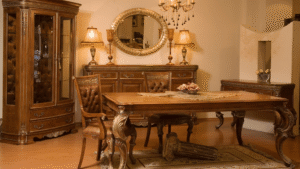
Vintage furniture has a way of pulling you in. Maybe it’s the richness of the wood, the craftsmanship, or the quiet reminder that a piece has lived a life before yours. When it’s done right, vintage adds soul and character to a space. When it’s done wrong, it can make your home feel like it’s stuck in another decade—or worse, a mismatched jumble that never quite comes together.
The difference between success and misstep is in the intention. Vintage isn’t about filling a room with old things. It’s about using history as a design tool—one that adds warmth, depth, and individuality.
Why Vintage Feels So Special
There’s an authenticity in vintage furniture that modern mass-produced pieces rarely capture. You can see it in the dovetail joints of a dresser, the way a carved detail catches the light, or the patina of a well-loved leather armchair. These are not just decorative quirks—they’re a record of time, and they bring dimension to a room in ways a brand-new showroom piece can’t.
A single vintage piece, even something small like an accent chair or side table, can shift the mood of an entire space. It tells visitors that your home has a story, and it invites curiosity.
Where It Can Go Wrong
The risk comes when you collect without editing. A room filled wall-to-wall with vintage finds can quickly feel heavy or chaotic. Too many styles from too many eras competing in one space can make the room feel unsettled. And some pieces—particularly those tied to very specific trends—can date your home instantly.
The key is restraint. Use vintage as punctuation in your design, not the entire sentence.
Five Strategies for Getting Vintage Right
1. Choose Quality Over Quantity
When adding vintage, it’s tempting to scoop up every interesting piece you see. Resist. Instead, focus on craftsmanship. Look for solid construction, genuine materials, and details that show the maker’s skill. One well-built vintage credenza will outshine a collection of wobbly flea market finds every time.
2. Balance Old and New
Pairing vintage with contemporary pieces keeps a room feeling fresh. A mid-century coffee table against a modern sectional creates contrast and balance. A carved antique mirror above a sleek console can feel intentional and artful.
3. Play with Texture
Vintage furniture often brings texture in ways modern furniture doesn’t—weathered wood, burnished metal, worn leather. Layer those textures with modern smooth surfaces, soft fabrics, or glass accents to create a dynamic visual mix.
4. Keep a Cohesive Color Palette
If your vintage finds span decades and styles, a consistent color palette can unify them. Reupholster a chair, refinish a table, or add cushions in tones that tie your room together.
5. Start Small
If you’re new to vintage, begin with accents—side tables, lamps, or art. These smaller pieces let you experiment without committing your entire budget or layout to a style you’re not sure about yet.
Understanding the “Hero Piece” Concept
Every room benefits from a hero piece—a single focal point that anchors the design. In vintage terms, this might be an Art Deco sideboard, a farmhouse dining table, or a 1960s lounge chair. Once you identify your hero, let the rest of the room support it rather than compete.
A good hero piece earns its space. It should be functional, visually striking, and in good enough condition to last.
Avoiding the Museum Effect
One of the biggest mistakes with vintage is over-theming a room. If every piece screams a specific decade, your home starts to feel like a set. A better approach is to mix eras. Pair a Victorian chair with a clean-lined modern sofa. Place a 1970s rattan chair in a minimalist white bedroom. This contrast keeps the room feeling alive rather than staged.
Blending Vintage into Modern Layouts
Modern floor plans—especially open layouts—benefit from vintage in unexpected ways. A farmhouse table can ground a sleek, airy kitchen. A classic writing desk can add intimacy to a wide living space. Because vintage pieces often have more visual weight than modern ones, they help define zones without the need for walls.
Giving New Life to Old Pieces
Part of the beauty of vintage is its adaptability. Refinishing, reupholstering, or even repurposing a piece can make it fit seamlessly into your home. That battered dresser might become a bathroom vanity. A vintage trunk could double as a coffee table with storage. You keep the history but give it a role that works for your life now.
The Role of Patina
Wear can be a liability—or an asset. Light scuffs and aging can add charm; deep cracks or structural damage can ruin functionality. Know where to draw the line. Keep patina that tells a story, but address issues that compromise safety or usability.
Why Vintage Matters in 2025
As trends lean toward sustainability, vintage offers a way to furnish that’s both eco-friendly and unique. You’re reusing materials, reducing waste, and often avoiding the environmental cost of new manufacturing. Plus, your home ends up looking like no one else’s—something mass production can’t deliver.
Bringing It All Together
When used with intention, vintage furniture is transformative. It can turn a generic room into one that feels layered and lived-in. But the magic is in balance: mixing eras, respecting craftsmanship, and knowing when to stop. Too much, and the charm slips into clutter; too little, and the space loses its story.
So, whether it’s a mid-century armchair, a Victorian sideboard, or a quirky thrift-store lamp, choose pieces that matter to you. Make them work within your space, not against it. Done right, vintage won’t just fit your style—it will define it.